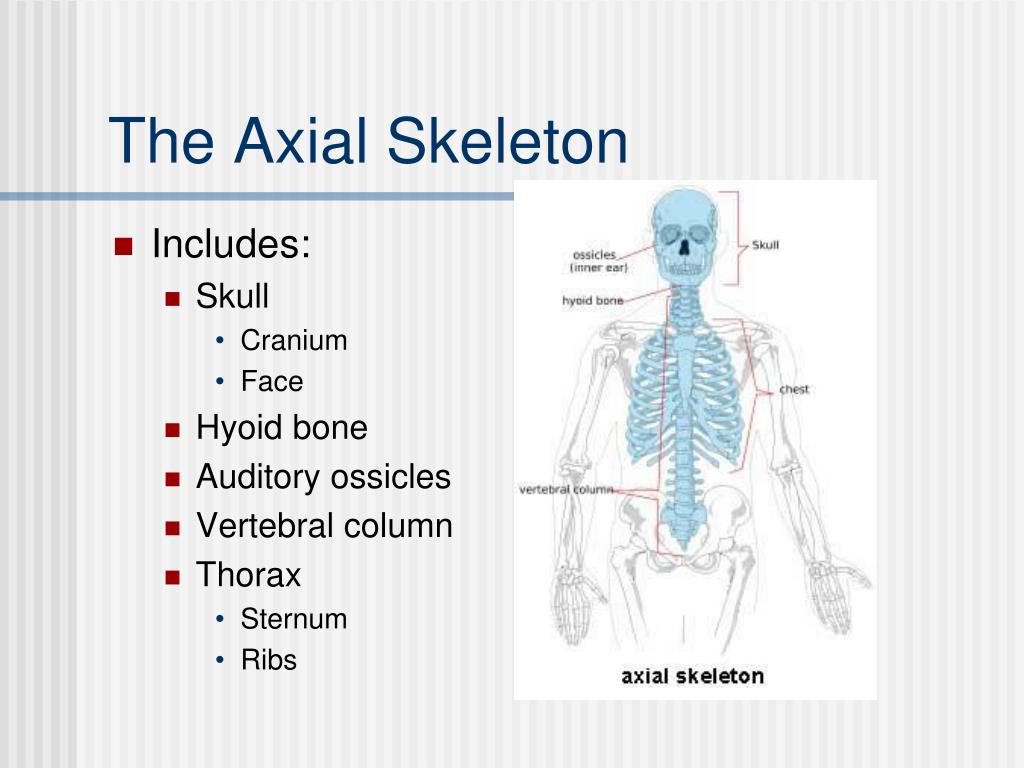
Major Bones Of The Axial Skeleton Biology Diagrams The axial skeleton is the core part of the endoskeleton made of the bones of the head and trunk of vertebrates. In the human skeleton, From Sobotta's atlas of human anatomy 1909. Flat bones house the brain and other vital organs. This article mainly deals with the axial skeletons of humans; however, it is important to understand its Study with Quizlet and memorize flashcards containing terms like Axial skeleton, Skull, Frontal bone and more. Introduction to Anatomy and Physiology Learn about the 80 bones that make up your axial skeleton, which protects your brain, spinal cord and organs. Find out how to keep your axial skeleton healthy and what conditions can affect it.

Axial skeleton, the part of the bony structure of the body that consists of the bones of the skull, the vertebral column, and the rib cage. The axial skeleton serves primarily to support and protect the heart, lungs, and central nervous system, which is made up of the brain and spinal cord. The
Structure, Function, Diagram, Significance Biology Diagrams
The axial skeleton is distinguished from the appendicular skeleton, which includes the bones in your shoulders, arms, hands, pelvis, legs, and feet. Bones of the Skull The bones of the skull can be divided into two groups: the cranial bones and the facial bones. Learn about the axial skeleton, which includes the skull, vertebral column, hyoid bone, sternum, and ribs. The axial skeleton provides support, mobility, protection, and storage for the body. The axial skeleton is the part of the human skeleton that includes the bones from the body's vertical axis. It consists of 80 bones, such as the skull, vertebrae, ribs, and sternum, that protect and support vital organs and systems.
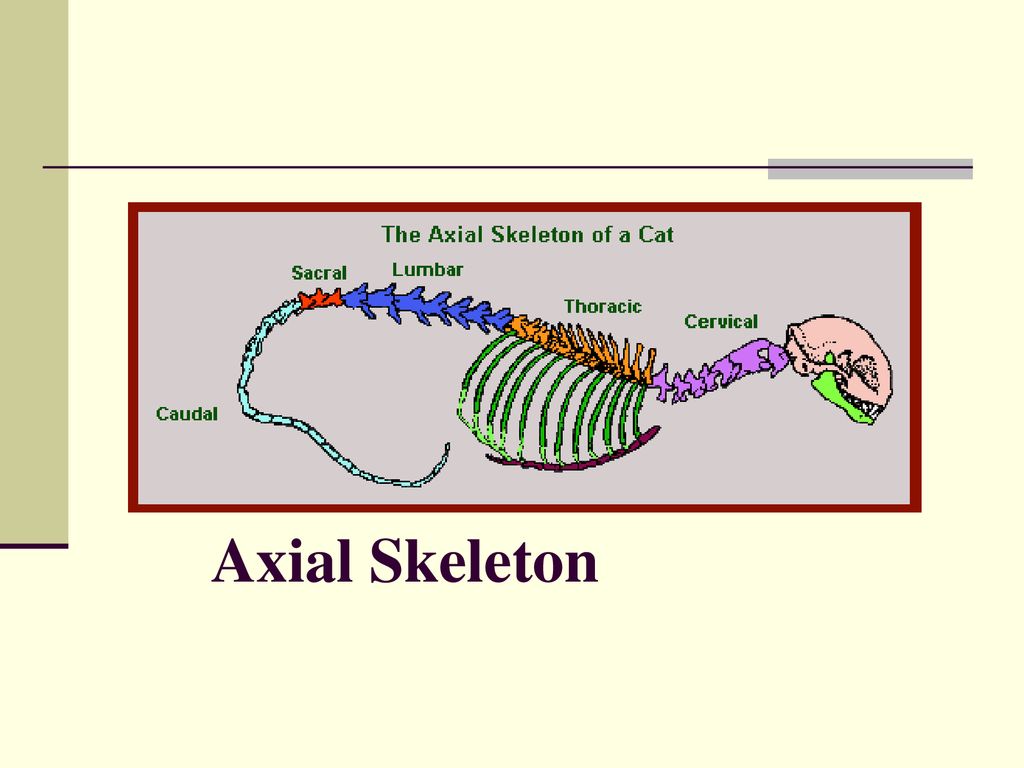
The axial skeleton includes the bones that form the skull, laryngeal skeleton, vertebral column, and thoracic cage. The bones of the appendicular skeleton (the limbs and girdles) "append" to the axial skeleton. 1. Skull Bones Protect the Brain and Form an Entrance to the Body. The skull consists of the cranial bones and the facial skeleton